Discovering the Function of a Metal Foundry in Modern Production Processes
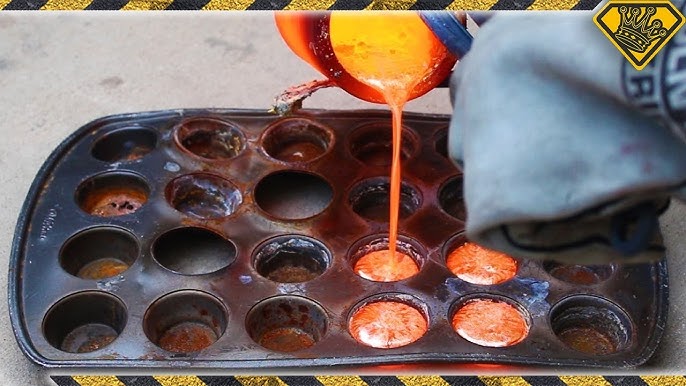
Metal foundries are crucial in the landscape of modern production. They offer essential parts across numerous markets, adjusting to the needs of industries such as automotive and aerospace. Advanced techniques such as 3D printing and automated casting have actually changed their procedures. Additionally, sustainability has ended up being a priority, affecting their methods. As these foundries evolve, the effects for manufacturing efficiency and development are significant, raising inquiries regarding their future trajectory in an ever-changing economic situation.
The Advancement of Metal Casting Methods

With the surge of automation, foundries took on techniques like die casting and lost foam casting, improving the manufacturing procedure and decreasing waste. Each evolution in metal casting methods has satisfied the requirements of different industries, from auto to aerospace. As metal casting continues to advancement, the interplay between strategy and technology continues to be essential in conference modern manufacturing difficulties, making certain that foundries adjust and prosper in an ever-changing landscape.
Combination of Advanced Technologies in Foundries
Although conventional metal casting techniques have served the industry well for centuries, the assimilation of innovative modern technologies in foundries is transforming the manufacturing landscape. Automation and robotics streamline production procedures, boosting performance and reducing the risk of human error. Technologies such as 3D printing enable quick prototyping and the production of complex geometries that were when impossible with traditional methods. Additionally, data analytics and the Web of Things (IoT) allow real-time surveillance and predictive maintenance, ultimately causing minimized downtime and boosted efficiency. These innovations also promote customization, enabling suppliers to respond promptly to market demands. As sustainability ends up being a priority, the fostering of eco pleasant technologies, such as electric melting heating systems and advanced sand recovery systems, additionally shows the market's dedication to advancement. Jointly, these innovations not only improve operational effectiveness yet also position foundries at the leading edge of modern-day production practices.
The Impact of Material Science on Foundry Workflow
Product scientific research plays a critical function in improving factory procedures, affecting both the option of products and the total casting procedure. Advancements in material scientific research give a much deeper understanding of the properties of metals and alloys, enabling foundries to select the most suitable products for details applications. This expertise boosts the efficiency and durability of cast items, which is essential for meeting market requirements.
Moreover, advancements in material formulations and additives add to improved casting methods, decreasing problems and optimizing production effectiveness. The growth of advanced metal compounds and wise products permits foundries to look at this website generate lighter, more powerful parts, which are significantly sought after in different sectors such as vehicle and aerospace.
Furthermore, product scientific research aids in the recycling of metals, making processes more cost-efficient and reliable. By leveraging the current findings in product science, foundries can adjust to developing market needs, ensuring their competition in a swiftly altering production landscape.
Sustainability Practices in Modern Metal Foundries
With the growing emphasis on ecological duty, modern-day metal foundries Full Report are progressively carrying out sustainability practices to lessen their eco-friendly footprint (Metal Casting). One vital approach includes the recycling of scrap metal, which not just lowers waste yet additionally conserves energy and raw products. Foundries are taking on advanced melting innovations that boost energy efficiency, as a result lowering greenhouse gas emissions. Additionally, using eco-friendly coverings and products has acquired grip, more lowering hazardous discharges throughout manufacturing
Water preservation strategies, such as closed-loop air conditioning systems, are being implemented to reduce freshwater usage. Lots of foundries are additionally spending in eco-friendly power resources, like solar and wind, to power their procedures, therefore lowering dependence on nonrenewable fuel sources. In addition, staff training programs concentrated on sustainability practices promote a society of ecological recognition within the workforce. These initiatives jointly add to an extra lasting future for metal foundries while satisfying the demands of eco-conscious customers.
The Future of Foundries in a Transforming Financial Landscape
As the worldwide economic climate develops, foundries face a myriad of challenges and opportunities that will certainly form their future (Aluminum Casting). The raising need for lightweight products and progressed alloys necessitates innovation in manufacturing methods and technological assimilation. Automation and clever manufacturing practices are coming to be necessary for enhancing efficiency and lowering operational costs. Additionally, the rise of sustainability problems forces foundries to adopt greener processes and reusing efforts, aligning with international environmental objectives
The economic landscape is additionally moving, with supply chain disruptions and changing resources costs offering considerable difficulties. Foundries have to adapt by expanding their supply sources and purchasing materials scientific research. In addition, collaboration with industries such as renewable resource and electrical vehicles can promote growth. Ultimately, the future of foundries will depend upon their ability to take advantage of technological innovations while remaining receptive to market characteristics and environmental imperatives, ensuring their importance in modern-day manufacturing.
Often Asked Inquiries
What Kinds of Metals Are Frequently Used in Foundries Today?
Commonly made use of metals in foundries today consist of aluminum, iron, steel, zinc, and copper. These products are favored for their diverse residential or commercial properties, making it possible for a variety of applications in industries such as auto, aerospace, and check over here building.
How Does a Factory Ensure High Quality Control in Its Products?
What Safety And Security Procedures Are Executed in a Metal Foundry?
Metal foundries execute precaution consisting of personal safety devices, ventilation systems to lower breathing of fumes, routine safety training for staff members, emergency response procedures, and rigorous tools maintenance to decrease risks and assure a risk-free workplace.
How Lengthy Does the Metal Casting Process Generally Take?
The metal casting procedure generally takes numerous hours to days, depending on variables such as the complexity of the mold and mildew, the kind of metal utilized, and cooling down times. Each project's demands greatly influence the period.
What Industries Primarily Rely Upon Metal Foundries for Manufacturing?
Automotive, machinery, construction, and aerospace industries primarily rely on metal foundries for production. These industries utilize cast metals for components, ensuring sturdiness and performance vital for their particular applications in production and assembly processes.
Metal foundries are critical in the landscape of modern production. Aluminum Foundry. Standard metal casting methods have actually offered the industry well for centuries, the combination of innovative technologies in foundries is revolutionizing the manufacturing landscape. Advancements in material scientific research supply a much deeper understanding of the buildings of steels and alloys, making it possible for foundries to select the most suitable products for particular applications. With the expanding emphasis on ecological responsibility, modern metal foundries are increasingly carrying out sustainability practices to reduce their ecological footprint. Automotive, construction, aerospace, and machinery markets primarily count on metal foundries for production
Comments on “Seven key facts you didn’t know about Metal Foundry processes”