Exactly How Aluminum Foundries Add To Various Industries: A Thorough Overview
Aluminum foundries function as crucial suppliers across numerous industries, consisting of automotive, aerospace, building, and electronics. They produce parts that are not just light-weight yet additionally long lasting, enhancing the efficiency of different products. With advanced spreading strategies and a dedication to sustainability, these shops are adjusting to fulfill progressing market demands. As they innovate, the effect of light weight aluminum spreadings on various applications raises essential concerns regarding the future of production. What lies in advance for this important market?
The Function of Light Weight Aluminum Foundries in the Automotive Industry
As the vehicle industry progressively welcomes light-weight products to boost fuel performance and performance, aluminum foundries play an important function in this advancement. These facilities specialize in the manufacturing of light weight aluminum spreadings, which are crucial elements in modern-day vehicles. By giving high-strength, light-weight components, light weight aluminum factories allow makers to reduce the general weight of automobiles, eventually leading to improved fuel economy and lowered emissions.
Aluminum's resistance to corrosion even more boosts car durability, making it an attractive choice for car manufacturers. Shops use advanced methods such as die casting and sand spreading to produce detailed and specific parts, making sure that they satisfy strict market criteria. Additionally, the capability to reuse light weight aluminum effectively adds to a more lasting production process. As the auto field remains to innovate, aluminum factories will certainly stay pivotal in supplying the products needed for the following generation of automobiles, sustaining both performance and ecological objectives.
Aerospace Applications of Aluminum Castings
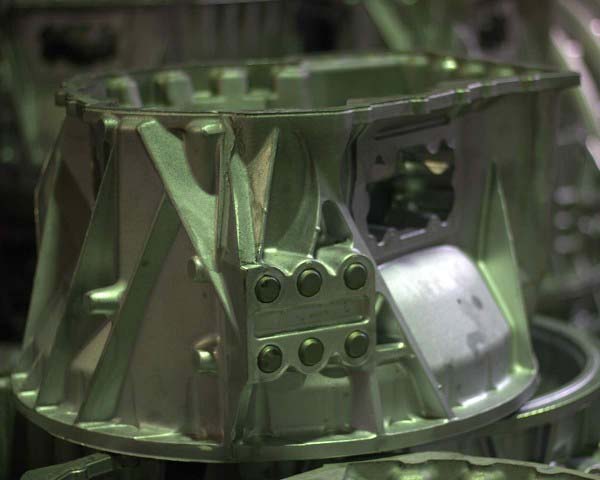
Aluminum spreadings are important to the aerospace market, offering a combination of lightweight strength and toughness that is essential for airplane performance. These castings are made use of in numerous parts, such as engine parts, structural frameworks, and touchdown equipment, where weight reduction is critical for fuel effectiveness and overall safety and security. The flexibility of aluminum allows for complex geometries that improve aerodynamic effectiveness while keeping structural honesty.
Furthermore, innovations in casting technologies have actually improved the precision and surface coating of aluminum components, lowering the requirement for comprehensive post-processing. This performance not just speeds up production timelines yet also lowers prices, making light weight aluminum an eye-catching option for producers. The rust resistance of light weight aluminum warranties long life and integrity in extreme operating settings, better establishing its function in aerospace applications. As the sector evolves, aluminum spreadings remain to be an important material, driving advancement and supporting the advancement of next-generation aircraft.
Construction Industry Advancements Via Light Weight Aluminum
The building and construction industry has significantly adopted aluminum due to its lightweight residential properties and versatility, paralleling its successful applications in aerospace. Technologies in aluminum design have actually resulted in stronger, a lot more efficient frameworks, making it possible for engineers and building contractors to check out new possibilities. The material's resistance to corrosion and low upkeep requires make it particularly appealing for both commercial and property jobs.
Light weight aluminum's versatility promotes the development of intricate layouts, allowing for visual enhancements that were previously challenging with conventional products. Prefabrication methods have additionally developed, utilizing aluminum to lower building time and prices substantially. Additionally, the power effectiveness of light weight aluminum systems-- such as window frameworks and roof-- adds to lasting building methods, aligning with modern ecological requirements. As the building industry proceeds to accept these advancements, aluminum's role is expected to expand, driving additional advancement and adding to the development of resistant frameworks.
Electronics and the Need for Lightweight Light Weight Aluminum Components
With the fast improvement of innovation, the need for lightweight light weight aluminum parts in the electronics market has risen. As devices become more small and portable, makers seek products that use both resilience and weight reduction. Aluminum, with its excellent strength-to-weight proportion, has become a recommended choice for components such as casings, warm sinks, and architectural supports.
Using aluminum not just enhances product performance but also adds to power effectiveness, as lighter gadgets call for less power during procedure. In addition, light weight aluminum's superb conductivity makes it excellent for electronic applications, guaranteeing efficient heat dissipation and minimizing the threat of getting too hot.
As consumer preferences change towards light-weight and streamlined gadgets, light weight aluminum shops play a necessary function in fulfilling the progressing needs of the electronics market (Aluminum Casting Company). Their capacity to generate premium and specific aluminum parts sustains technology, enabling producers to push the boundaries of style and functionality
Lasting Practices in Light Weight Aluminum Foundries
As the electronics sector progressively focuses on sustainability, light weight aluminum shops are adapting their practices to straighten with these environmental goals. Lots of shops are carrying out recycling programs my company that recover aluminum scrap, greatly decreasing the requirement for basic materials and minimizing waste. By utilizing energy-efficient technologies, these centers are reducing their carbon impact; as an example, utilizing electrical heaters as opposed to typical gas-fired ones can result in substantial energy cost savings.
In addition, aluminum factories are purchasing water preservation measures, such as closed-loop systems that recycle water made use of in cooling processes. These techniques not only lower water usage however also alleviate the ecological influence connected with wastewater discharge. Additionally, many shops are checking out renewable resource sources, such as solar and wind power, to meet their power needs sustainably. Through these campaigns, aluminum foundries exhibit a commitment to environmental stewardship while remaining to meet the demands of the electronic devices industry.
Future Fads in Aluminum Shop Technologies
Arising technologies are poised to transform light weight aluminum shops, boosting effectiveness and product quality while advancing sustainability efforts. Advancements such as man-made knowledge and artificial intelligence are expected to maximize production procedures by forecasting devices failings and improving resource allowance. The assimilation of sophisticated robotics will enhance operations, lowering labor expenses and minimizing human error.
Additive manufacturing, or 3D printing, is additionally acquiring grip, enabling the production of complex geometries that were formerly unattainable with traditional methods. This change can result in considerable material financial savings and lowered waste. In addition, smart shops utilizing IoT (Internet of Things) technologies will allow real-time surveillance and information analysis, promoting aggressive decision-making.
Finally, the adoption of cleaner melting modern technologies and reusing strategies will certainly better reduce the environmental footprint of aluminum shops, making them a lot more lasting. Jointly, these fads indicate a future where aluminum shops can operate with better performance and obligation.
Regularly Asked Questions
What Are the Ecological Impacts of Aluminum Foundries?
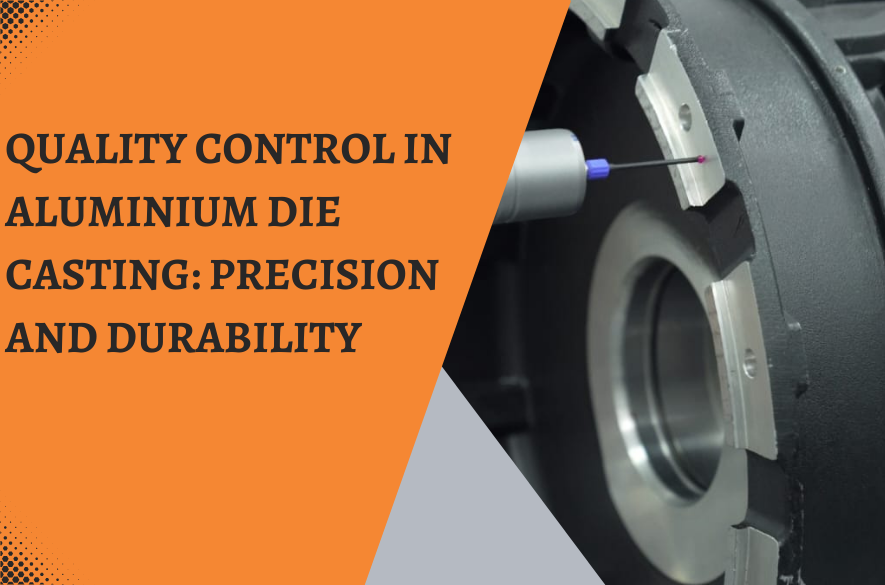
Just How Do Foundries Make Certain Quality Control in Aluminum Casting?
Factories ensure quality control in aluminum spreading by my latest blog post applying rigorous inspection procedures, using innovative technology, carrying out routine material testing, and sticking to sector criteria, thus original site maintaining consistency and integrity in their finished items. Precision aluminum casting.
What Is the Ordinary Lifespan of Aluminum Cast Parts?
The ordinary lifespan of light weight aluminum actors components usually ranges from 10 to 50 years, relying on elements such as environmental problems, use, and maintenance. Proper care can greatly enhance their resilience and efficiency in time.
Exactly How Are Light Weight Aluminum Alloys Selected for Certain Applications?
Light weight aluminum alloys are picked based on aspects such as stamina, corrosion resistance, weight, and thermal conductivity. Designers evaluate the specific needs of applications to identify one of the most ideal alloy for best performance and durability.
What Are the Safety And Security Rules for Light Weight Aluminum Factory Employees?
Safety and security laws for aluminum factory workers consist of individual safety devices mandates, ventilation demands, exposure limits to hazardous products, and procedures for dealing with liquified steel. Compliance guarantees worker safety and lessens health threats linked with foundry operations.
As the automobile sector increasingly embraces lightweight products to enhance fuel performance and efficiency, aluminum factories play a crucial duty in this advancement. As consumer preferences shift towards streamlined and light-weight gizmos, aluminum factories play an important function in satisfying the developing needs of the electronic devices sector. As the electronics market significantly prioritizes sustainability, light weight aluminum foundries are adapting their techniques to align with these ecological objectives. Numerous factories are applying recycling programs that recover aluminum scrap, greatly decreasing the requirement for raw products and lessening waste. Safety and security policies for aluminum shop workers include individual safety equipment requireds, ventilation needs, direct exposure restrictions to hazardous materials, and procedures for taking care of liquified steel.
Comments on “Choosing the right Aluminum Casting Company for your engineering needs”